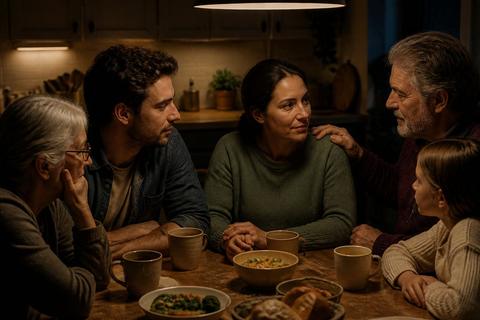
Creative Family Activities to Promote Togetherness
Creative family activities to promote togetherness work best when they're built into a routine rather than treated as a one-off event. A single fun outing is nice, but the research on family closeness points to frequency and consistency: it's the repeated small rituals, not the occasional big gesture, that build the sense of ‘we do this together.’ Below are ten activities organized by how much setup they take, plus notes on what actually moves the needle versus what's just filler.
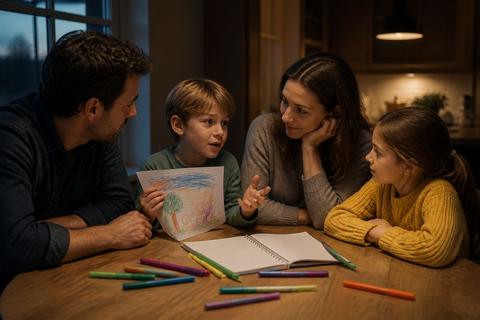
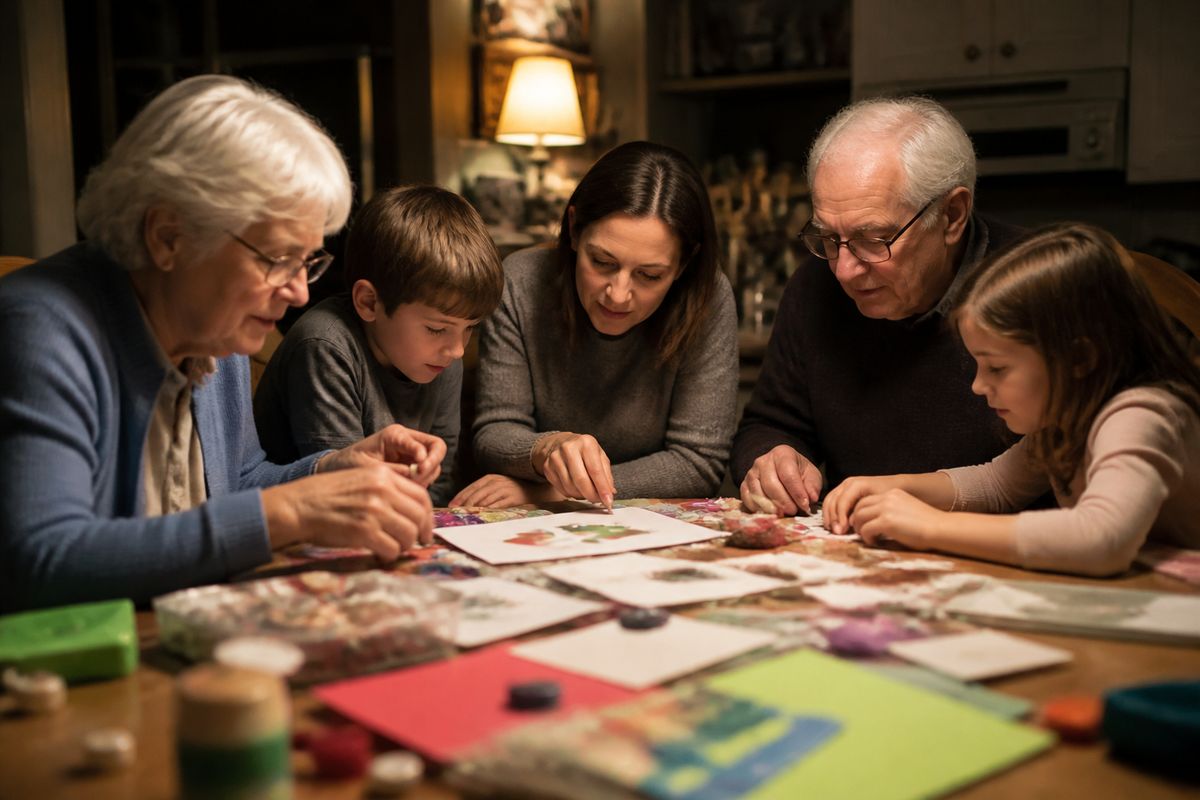
1. A weekly craft session, not a one-time project
Pick a recurring slot, like Sunday at 4pm, and keep supplies (paper, paint, clay, fabric markers) in one bin so setup takes under five minutes.
- Family tree collage: Print old photos, glue them onto a poster board branch by branch, and let each person add handwritten captions. Do this over 3-4 sessions instead of one marathon afternoon so it doesn't turn into a chore.
- Fabric-paint T-shirts: Buy plain shirts in bulk (roughly $5-8 each) and let everyone design their own with stencils or freehand fabric paint. Wash separately the first time in case the paint isn't fully cured.
- Memory jar: Keep index cards and a jar on the kitchen counter. Anyone can drop in a one-line memory whenever something good happens. Read them together on New Year's Eve or a birthday instead of waiting for a formal end-of-year event.
2. Outdoor time that doesn't require a plan
You don't need a destination hike to get the benefit; a 20-30 minute walk around the neighborhood after dinner counts and is far more repeatable than a monthly trip.
- Neighborhood or trail walks: Rotate who picks the route each week. Kids are more likely to keep showing up if they get some control over where you go.
- Park picnic: Pack food you already have rather than a special picnic menu, the goal is low friction, not a production. Bring one shared game (frisbee, a ball) so there's an obvious activity if conversation stalls.
- A shared garden bed or a few pots: Even 2-3 containers on a balcony work. Assign each person one plant to check on. It gives everyone a small, low-stakes responsibility and a reason to go outside together every few days.
3. Game night: keep it to 60-90 minutes
Game nights fail more often from running too long than from picking the wrong game. Set a start and end time in advance.
- Strategy or party games: Rotate who chooses the game each week so it isn't always the same person's favorite.
- Trivia: Write questions on cards ahead of time, split into teams by age so younger kids aren't guaranteed to lose every round.
- Puzzles left out on a side table: A 500-1,000 piece puzzle that stays out between game nights lets people add a few pieces whenever they pass by, which spreads the togetherness moments across the whole week instead of one night.
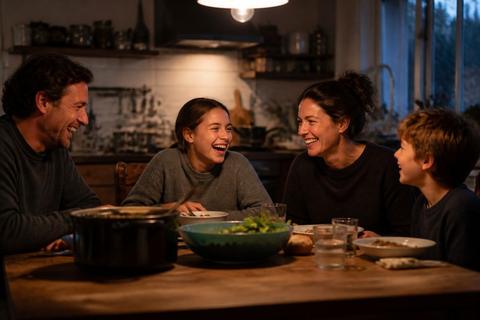
4. Cook one meal a week as a team
Pick one night, not every night, so it stays a treat rather than another chore added to a busy schedule.
- Build-your-own night: Tacos, pizza, or grain bowls where everyone assembles their own plate from shared toppings. Low skill barrier, easy for kids to help with.
- Baking with a real division of labor: One person measures, one mixes, one decorates. Assign roles before you start so it doesn't turn into three people reaching for the same spoon.
- A cuisine-of-the-month night: Pick one country, cook 2-3 dishes from it across the month, and look up one fact about the food culture together. Keeps the idea fresh without needing a new theme every single week.
5. Movie nights with a short ritual attached
The content matters less than the small consistent ritual around it.
- Rotating picks: Each person gets a turn choosing the movie so nobody feels like they're always watching what someone else wants.
- A shared snack task: Popcorn seasoning bar, a simple themed snack, something with 2-3 steps kids can actually do themselves.
- Two-minute debrief after: Ask one question each (best part? who would you have been in that movie?) instead of a full discussion. Keeps it light and something kids will actually want to keep doing.
6. Volunteer together, but start small and local
Studies on youth community service link participation with higher self-reported health, fewer behavioral problems, and stronger academic engagement, though most of that evidence comes from teens volunteering generally, not specifically as a family unit (TIME, reporting on the study). The bonding benefit for families comes less from the cause itself and more from doing something with a visible result together.
- Food bank shifts or park cleanups: Both usually take volunteers as young as 8-10 with a parent present, and most shifts run 1-2 hours, short enough that younger kids don't burn out.
- A recurring cause, not a new one each time: Sticking with one organization for a few months lets kids see the same place improve or the same people again, which makes the impact feel real instead of abstract.
- Doing it, not just talking about it: A single afternoon of raking leaves for an elderly neighbor teaches more about follow-through than a conversation about kindness.
7. Storytelling sessions with structure
Open-ended tell-a-story prompts often stall. Give it light structure instead.
- Round-robin stories: Each person adds one sentence, going around twice. Caps it at a reasonable length and keeps younger kids engaged since their turn comes fast.
- One grandparent story per visit: Ask a specific question, like what's a mistake you made at my age, rather than a vague tell-us-about-the-old-days prompt, specific prompts get better stories.
- Reading aloud in 15-minute chunks: Pick a chapter book everyone can follow and read a chapter or two most nights rather than a full book in one sitting.
8. Build something with a clear finish line
Projects with a defined end point (a finished model, a completed shelf) give a sense of accomplishment that open-ended crafting doesn't.
- Model kits: Choose kits rated for your youngest builder's age so nobody is stuck watching instead of doing.
- Small home projects: Assembling a bookshelf or repainting one room. Assign one task per person (hold, screw, hand tools) so even a 6-year-old has a real job.
- LEGO or building-block challenges: Set a 30-minute timer and a theme, like build the tallest tower that can hold a book, to keep it from sprawling into a multi-hour project nobody finishes.
9. Traditions: pick 2-3 and repeat them exactly
The value of a tradition comes from its repetition, not its novelty. Resist the urge to reinvent it every year.
- One monthly outing: Same format each time (first Saturday, one new place) so it becomes something the family expects, not something that has to be re-planned from scratch.
- A fixed holiday ritual: The same pancake shape on birthdays, the same drive to look at lights in December. Kids remember and ask for these specifically because they're predictable.
- A yearly trip, even a short one: A weekend two hours away counts. The bar for a family retreat is lower than it sounds.
10. Nature exploration with a simple task
Handing kids a task turns a walk into an activity.
- Scavenger hunt list: Ten items (a pinecone, something red, an insect) written on an index card before you leave the house.
- Bird identification: A cheap pair of binoculars and a free bird ID app is enough to start; you don't need expertise, just curiosity out loud.
- Stargazing: A star-map app and a blanket in the backyard works as well as driving somewhere darker, especially with younger kids who won't last past 20 minutes anyway.
What actually predicts closeness (and what doesn't)
Frequency and the quality of the relationship matter more than which activity you pick. A study following adolescents over time found that more frequent family dinners predicted bigger drops in depressive symptoms specifically when the parent-child relationship was already reasonably strong, among teens with high-quality relationships, nightly dinners were linked to meaningfully lower depression scores than no shared dinners, but the effect was weak or absent when the relationship was already strained (Musick & Meier, PMC). In practical terms: showing up to the table (or the craft table, or the trailhead) regularly helps, but it's not a substitute for how you talk to each other while you're there.
Screens don't have to be the enemy of togetherness. Current guidance from child development researchers has moved away from strict time limits toward how the screen is used: watching or playing together, rather than each person on a separate device, is what makes shared media time count as togetherness instead of just parallel scrolling (Florida State University, child psychologist guidance).
FAQ
How often should we actually do these activities?
Once a week for a bigger activity (game night, craft day, cooking together) is realistic for most families. Daily rituals only work if they're short, a five-minute check-in or a shared walk, not a full activity every single day.
What if my teenager doesn't want to participate?
Give them a role with actual autonomy: they pick the movie, they run the trivia round, they choose the volunteer cause. Forced participation in an activity they didn't choose tends to backfire more with teens than with younger kids.
Do we need a big budget for this?
No. Walks, storytelling, reading aloud, and scavenger hunts cost nothing. Save spending for the occasional craft supplies or a model kit, not for the core routine.
What if family time keeps getting bumped by schedules?
Put it on the calendar like any other commitment, with a fixed day and time, rather than leaving it for whenever things calm down. Families that treat togetherness as a scheduled block are more likely to actually do it than families waiting for free time to appear on its own.