How to Create a Positive Family Environment at Home
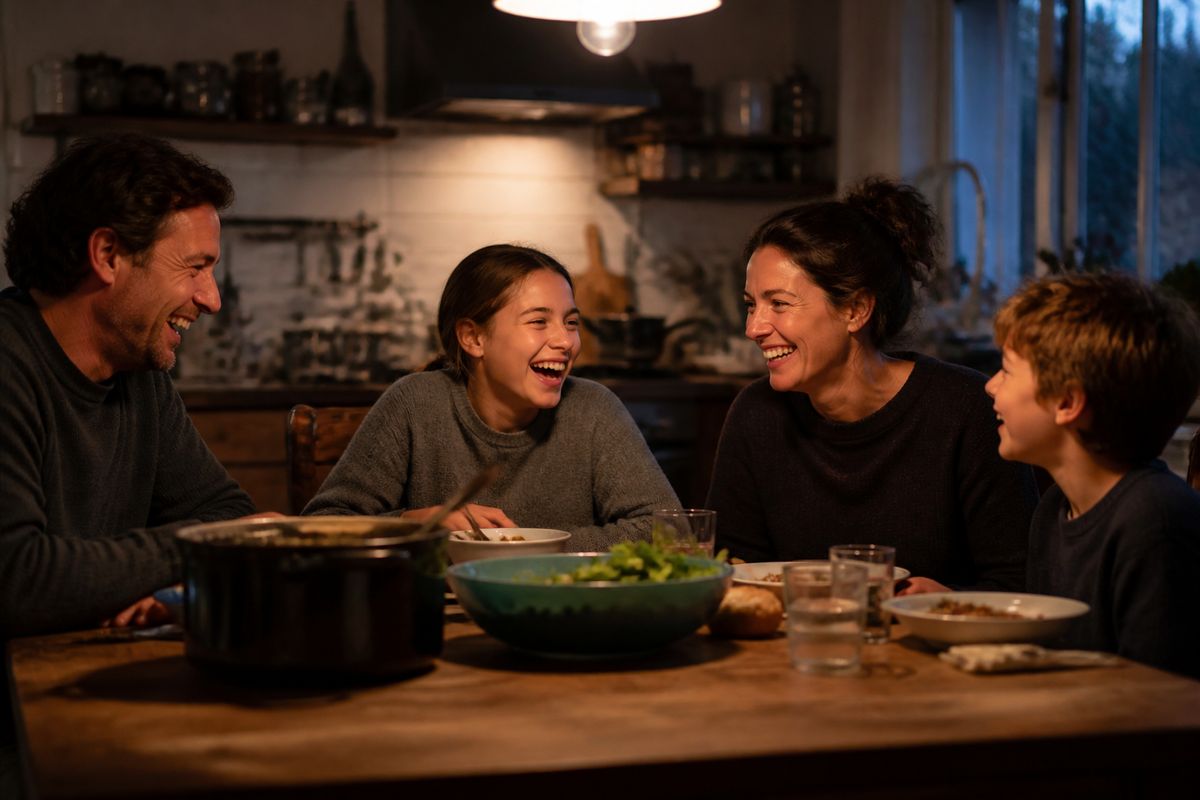
Creating a positive family environment at home comes down to a handful of repeatable habits: how you talk to each other, how predictable the day feels, and how often you notice what's going right instead of only what's going wrong. None of this requires a perfect house or a conflict-free week. It requires a few routines you actually keep.
Start With How You Talk to Each Other
Say What You Mean, Without the Blame
Most family friction comes from how something is said, not what is said. Instead of "you never help with anything," try naming the specific behavior and its effect: "when the dishes sit overnight, I end up doing them before work and it stresses me out." This isn't a script gimmick, it's basic conflict de-escalation: focus on the concrete problem instead of a character accusation, and the other person can actually respond to it.
Practice Active Listening
Active listening means you stop planning your reply while the other person is still talking. Concretely: make eye contact, put the phone face down, and paraphrase back what you heard ("so you felt left out when we made plans without you") before you respond with your own view. The technique comes from psychologist Carl Rogers' work on empathic listening in therapy and is now taught directly to parents as a communication skill. In one parent-training study using six two-hour sessions on active listening, parents showed measurable increases in confidence and skill at responding to their children's feelings, and a drop in their own anxiety.
Hold a Short Weekly Check-In
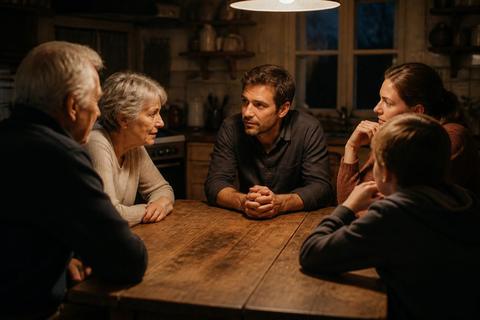
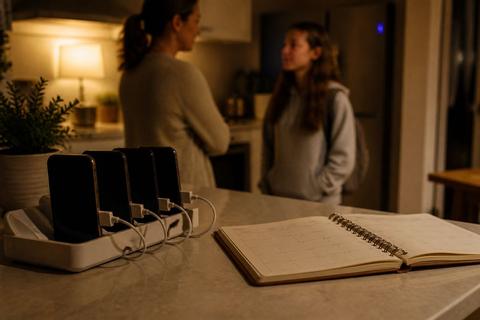
Fifteen to twenty minutes, same day each week, no phones. Each person gets uninterrupted time to name one thing that went well and one thing that's bothering them. Skip it if a shouting match started five minutes earlier, table it for when everyone is calm. The point isn't the ritual itself, it's that grievances get a scheduled outlet instead of piling up until they explode over something small.
Build Predictable Routines Around Food and Time Together
Protect a Few Shared Meals a Week
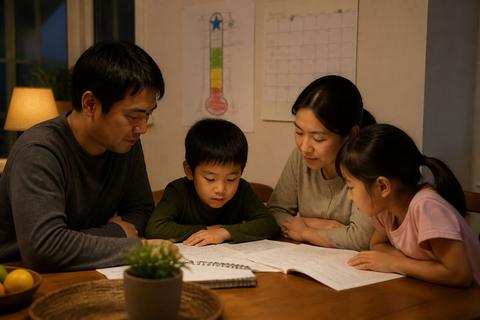
You don't need every dinner together to matter. Research summarized by Utah State University Extension found that sharing at least three family meals per week is linked to better outcomes around healthy weight and reduced disordered eating in kids, and that regular family meals are associated with lower depression, anxiety, and stress plus stronger family bonds through better communication. The mechanism isn't complicated: it's twenty uninterrupted minutes, several times a week, with no screens and an expectation that people talk.
Keep Difficult Conversations Off the Dinner Table
Use mealtime for connection, not correction. Save discipline conversations, bad grades, or big family decisions for a separate, calmer moment. If dinner becomes where kids get grilled or scolded, they start dreading it and the routine backfires.
Put One Recurring Activity on the Calendar
Game night, a Saturday walk, cooking one meal together, whatever fits your family's actual schedule. The specific activity matters less than its being recurring and non-negotiable enough that people plan around it instead of it happening "if there's time."
Make Gratitude a Habit, Not a Vibe
Run a Round of "One Good Thing" at Dinner
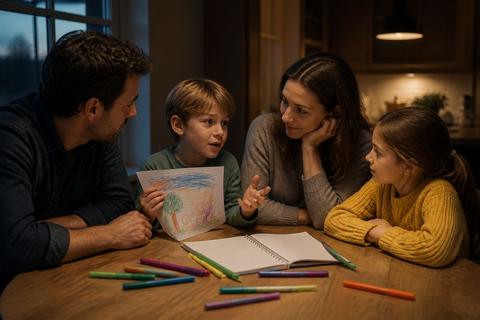
Each person names one specific good thing from their day, not a generic "school was fine." Ask for a detail; "fine" doesn't count. Forcing attention onto something concrete works better than leaving gratitude as a vague mood you hope shows up.
Keep a Shared Gratitude Log
A jar of paper slips, a shared notebook, or a family group chat where people drop one thing daily. Psychologist Robert Emmons' research, summarized by UC Berkeley's Greater Good Science Center, recommends recording three to five things you're grateful for every day or week as a reliable way to build the habit, and this line of research links consistent gratitude practice to gains in happiness and life satisfaction and to reduced anxiety and depression. It's a documented psychological practice for shifting attention and mood, not a way to summon outcomes into existence.
Say the Specific Thing, Out Loud, to the Person
"Thanks for grabbing my charger without me asking" lands differently than "thanks for everything you do." Specific, addressed-to-the-person gratitude is more likely to actually register than vague appreciation.
Handle Conflict Instead of Suppressing It
Set One Ground Rule: No Yelling to Be Heard
Agree in advance, when everyone's calm, that if a conversation starts escalating, anyone can call a ten-minute break and come back to it. This isn't about avoiding disagreement, it's about not letting volume replace substance.
Separate the Problem From the Person
"The chores aren't getting split fairly" is a solvable problem. "You're lazy" is an attack with nowhere to go. Teach this distinction to kids early; it's the same skill a lot of adults are still working on.
Repair After a Blowup
Every family has bad days. What matters more than avoiding conflict entirely is what happens after: a short, genuine "I was harsh earlier, I'm sorry" goes further than pretending it didn't happen. Kids learn how to handle conflict by watching adults repair it, not by never seeing it happen.
Give People Room to Be Different
Let Interests Be Uneven
Not everyone in the family needs to like the same hobbies, sports, or music. Showing up to a kid's unfamiliar interest, even briefly, communicates more respect than insisting they join the family's default activities.
Respect Requests for Privacy
A closed door or a "not right now" isn't rejection, especially from teenagers. Needing solitude is normal, not a sign something's wrong. Set the expectation that privacy requests get honored, and that this cuts both ways for every family member.
Keep the Physical Space Workable
Split Cleanup, Don't Assign It to One Person
A ten-minute daily reset, done together, prevents the weekend deep-clean resentment spiral. It also teaches kids that shared spaces take shared maintenance, not that mess is someone else's problem to solve.
Give Each Person One Space That's Theirs
Even a single shelf, chair, or corner that's off-limits to reorganize without asking. A small amount of controlled personal space matters more for a sense of security than the size of the space itself.
Frequently Asked Questions
How long does it take to see a difference?
Give a new routine, like a weekly check-in or a dinner-table gratitude round, three to four weeks of consistent repetition before judging whether it's working. The first few attempts are often awkward or get skipped; that's normal, not a sign to give up.
What if one family member refuses to participate?
Don't make it mandatory theater. Keep doing the routine with whoever will join, and leave the door open. Forced participation tends to backfire faster than a routine that's optional but consistent.
Can a "positive family environment" fix serious conflict on its own?
No. These habits help with everyday friction, communication, and connection, but they aren't a substitute for family therapy when there's ongoing high-conflict behavior, abuse, or a mental health crisis. Talk to a licensed family therapist in those cases.