How to Plan Meaningful Family Vacations
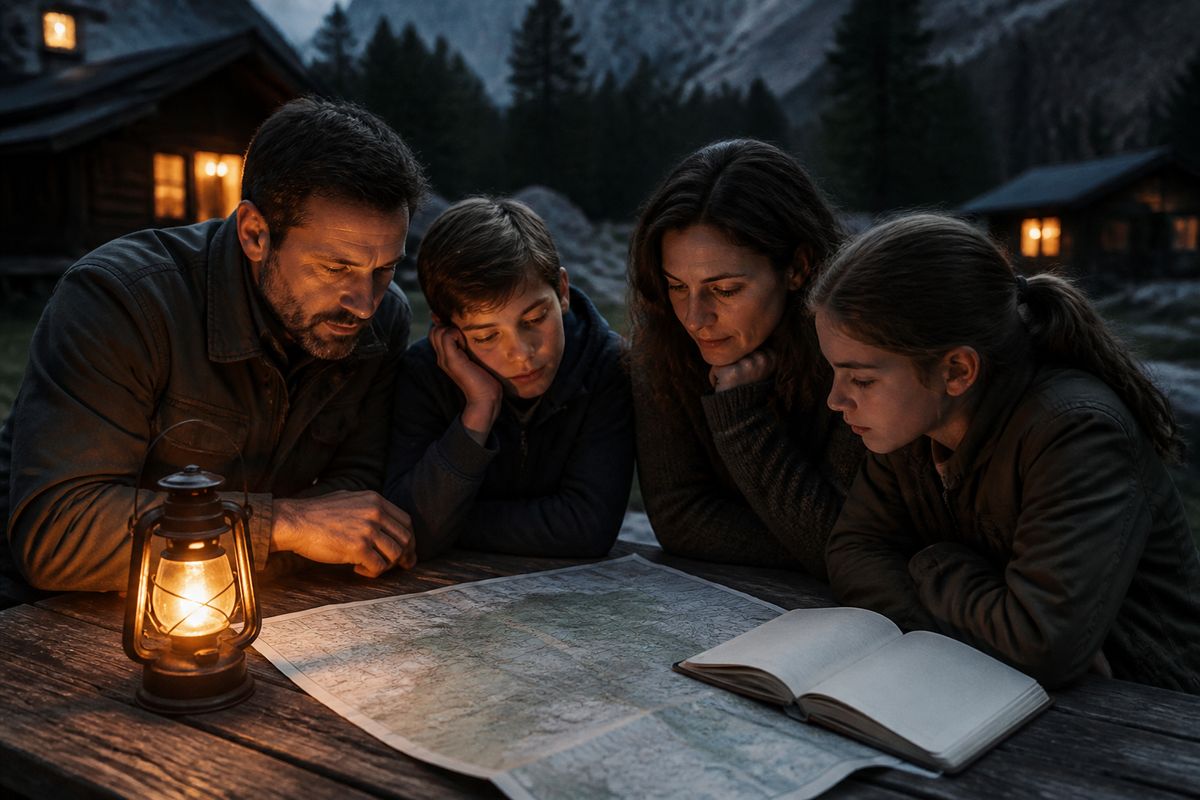
Planning meaningful family vacations takes more than picking a destination and booking a hotel. The trips people actually remember years later usually share three things: everyone had a say in the plan, the schedule left room to breathe, and someone made a small effort to capture the experience while it was happening. Here's how to build a trip like that, step by step.
Why the Planning Itself Matters
A vacation doesn't automatically become meaningful just because you left town. The research on this is fairly consistent: it's the structure of the trip, not the price tag, that determines whether people come back closer or just tired. A 2018 American Psychological Association survey of over 1,700 U.S. adults found that 68% of people reported a more positive mood and 66% reported more energy after taking time off, but the same survey found those effects fade fast for a lot of people, with 24% saying the benefits disappeared the moment they were back at work. That fade-out is a planning problem as much as anything: vacations that are just "time off" recharge you briefly; vacations built around shared activity and reflection tend to hold up better.
For kids specifically, there's a separate, well-documented benefit. A Clemson University analysis of U.S. Department of Education data found that children who traveled during summer break scored higher on reading, math, and general-knowledge measures than peers who didn't travel, according to a Michigan State University Extension summary of the research. The proposed mechanism isn't magic, it's that travel creates new, concrete things to observe, ask about, and talk through, which is the same raw material teachers use for "experiential learning."
Set 2-3 Goals Before You Look at a Single Destination
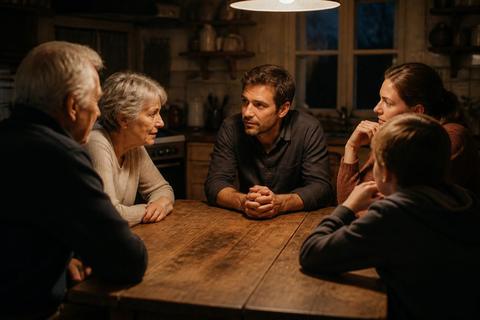
Skip the destination search until you've named what you actually want out of the trip. Most family trips fail to feel "meaningful" not because the location was wrong, but because nobody agreed in advance on what the trip was for, so half the family wanted to relax and the other half wanted to see six museums a day.
Pick 2-3 of these, not all of them:
- Unstructured togetherness, low-key days, no packed itinerary, just being in the same place.
- A specific shared adventure, one big activity everyone will remember (a hike, a dive certification, a road trip route).
- Genuine rest, a slow location with minimal logistics, aimed at parents who are burned out.
- Cultural or educational exposure, a place chosen specifically because it teaches something.
Write the 2-3 goals down. Every later decision, destination, pace, budget split, gets checked against that short list.
Give Every Family Member a Real Job in the Planning
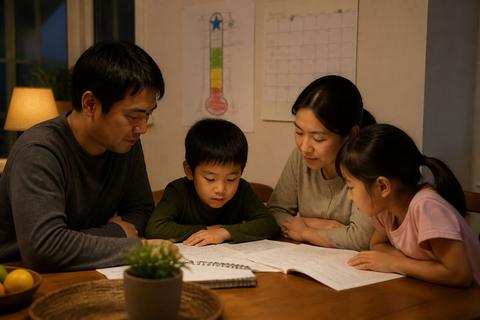
Involving kids in planning isn't just a nice gesture, it changes what they get out of the trip. A University of Minnesota Extension guide on turning vacations into learning experiences recommends assigning each child one specific piece of the trip to research in advance (a landmark, a local food, a historical event) and then report on it to the rest of the family once you arrive. That single change turns a passive passenger into someone who's invested in the itinerary.
How to split the work
- Destination shortlist: Put 3 options on the table and let the family vote, rather than presenting one choice as already decided.
- One research topic per person: Assign each kid (age 6+) one thing to look up before the trip, a landmark, an animal at the local zoo, a regional dish, and have them tell the family about it on-site.
- Adults split logistics: One parent owns lodging and transport bookings, the other owns the day-by-day activity list, so no single person is carrying the whole trip.
- A shared "must-do" list: Everyone gets to add exactly one non-negotiable activity. This caps competing demands at one per person instead of an open-ended wish list.
Choose a Destination That Fits Your Actual Family, Not an Instagram Feed
Match the destination to ages and stamina, not aspiration. A trip built for a 4-year-old and a trip built for three teenagers are not the same trip, even if the goals on your list are identical.
What tends to work by family stage
- Toddlers/young kids (under 7): Prioritize short travel times, familiar food options nearby, and a home base you don't have to repack from, a week in one place beats three cities in five days.
- Elementary-age kids: National parks, aquariums, and hands-on museums hold attention well and give the "one research topic" system something concrete to attach to.
- Tweens/teens: Build in at least one activity chosen by them specifically, and expect (and allow for) some independent or semi-independent time.
- Mixed ages: Pick a home base with options that fork, a beach town with a nearby aquarium, a national park with both easy and strenuous trails, so nobody is stuck doing an activity built for a different age group all day.
Build a Budget With Real Categories, Not a Single Number
"We're spending $3,000" isn't a budget, it's a ceiling. A usable travel budget breaks into categories so you know where the money is actually going and where you can flex if something runs over.
The five categories to price out separately
- Transportation: Flights or fuel, plus airport transfers or parking, often the single biggest line item.
- Lodging: Compare a hotel against a rental with a kitchen; a rental that lets you cook 4-5 meals a week can offset a higher nightly rate.
- Food: Budget separately for groceries vs. restaurant meals; decide in advance how many meals out per day you're actually paying for.
- Activities and tickets: Price the big-ticket items (theme park passes, tours, rentals) before you leave, these are the easiest category to underestimate.
- Buffer: Add 10-15% on top for the parking garage you didn't plan for, the extra ice cream stop, the forgotten sunscreen.
Book flights and lodging early where prices are locked in, and hold the buffer category loosely, that's the money that actually goes toward spontaneous, memorable moments.
Build an Itinerary With Fewer Slots Than You Think You Need
The most common itinerary mistake is scheduling every waking hour. A trip with 2 solid activities a day and real unstructured time in between usually produces more of the "meaningful" moments than a trip with 5 activities a day and no slack.
A simple structure that holds up
- One anchor activity per day: The thing you built the day around, a hike, a museum, a boat tour.
- A buffer block, not a second activity: 2-3 hours with nothing scheduled, for a nap, a pool, wandering, or just recovering from the anchor activity.
- A standing check-in: A 5-minute conversation once a day or so, what's working, what people want more or less of. Cheap insurance against a trip that quietly goes sideways.
- One flex day if the trip is 5+ days: No plan at all, to be used for whatever the family actually wants once you're there.
Handle the Logistics Early So They Don't Eat Into the Trip
Everything in this section should be done before you leave, not during the trip.
- Lock in lodging and major transport as soon as dates are set, prices only go up, and cancellation policies give you an out if plans change.
- Pack against your actual itinerary, not a generic list, if day 3 is a hike, day 3's clothes need to be hiking clothes, not "vacation clothes."
- Check entry requirements and any health guidance for the specific destination well before departure, since requirements can change with little notice.
- Put ID, tickets, reservation confirmations, and any medical documents in one folder (physical or a phone folder with offline access) so nobody is searching for a boarding pass at security.
Capture the Trip While It's Happening, Not After
Memory fades fast, and most families intend to "remember to document it" and then don't. Build the capture into the daily routine instead of leaving it to willpower.
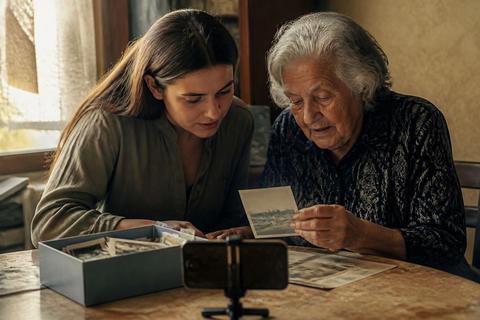
- One photo, one sentence, per person, per day: A running note (shared doc, group chat, or paper journal) where each family member adds one line about their day. Ten seconds of effort, and it's the thing people reread years later.
- Let the research-topic kid actually present: If a child researched a landmark ahead of time, have them explain it on-site instead of you narrating for them.
- Try one local custom or dish deliberately: Not everything has to be planned around comfort food; one unfamiliar meal or activity a day is usually enough to create a story worth retelling.
Debrief After You're Home
The reflection afterward is what turns a trip into a "meaningful" one in hindsight, and it takes 20 minutes, not a weekend project.
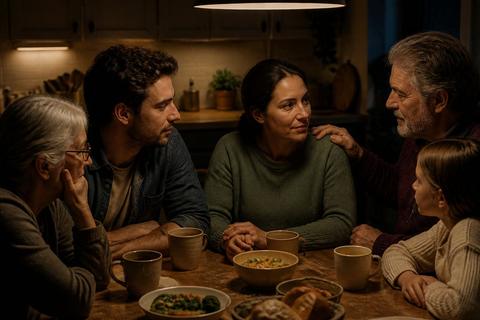
- One dinner, one conversation: Within a week of returning, sit down and have everyone name their favorite moment and their least favorite moment. Both matter, the friction points tell you what to change next time.
- Turn the daily notes into something you'll actually reread: A simple photo book or printed document beats a folder of 400 unsorted phone photos nobody opens again.
- Write down what you'd change: Too many scheduled activities, too little buffer time, a destination that fit some ages better than others, note it while it's fresh, and use it directly when planning the next trip.
FAQ
How far in advance should we plan a family vacation?
For a major trip (a week or more, flights involved), 3-4 months gives you better pricing on flights and lodging and enough runway to research kid-specific activities. Weekend trips can come together in 2-3 weeks; the planning steps above just get compressed.
What if family members want completely different things from the trip?
This is exactly what the goals step and the "one must-do per person" rule are for. You're not trying to make everyone want the same thing, you're capping how many competing demands make it onto the itinerary, so differences don't turn into an overloaded schedule.
Is it worth it to plan every detail, or should we leave room for spontaneity?
Both, on purpose. Anchor each day with one planned activity so the trip has direction, then deliberately leave a buffer block unscheduled. All-planned trips tend to feel rigid; all-unplanned trips tend to waste the first two days deciding what to do.
Do educational vacations actually help kids, or is that just marketing?
There's real research behind it. The Clemson University analysis of Department of Education data found a measurable academic benefit tied to summer travel, not just a correlation with having money to travel, the effect held up in comparisons controlling for other factors. It's not a guarantee for every child on every trip, but it's more than a marketing claim.