Nurturing Family Bonds: Activities for Deeper Connections
Nurturing family bonds does not require a big trip or a special occasion. It comes down to repeated, ordinary time together: a shared meal, a walk, a project you build with your hands. This guide covers activities for deeper connections that are easy to actually keep doing, plus what the research says these habits are and are not likely to do for your family.
Start with frequency, not novelty
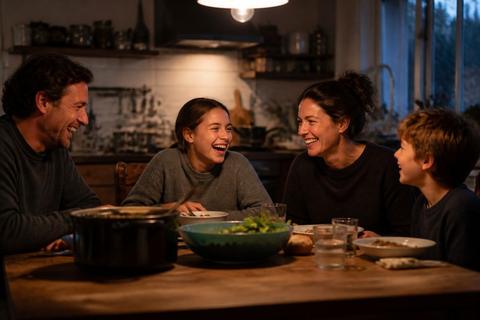
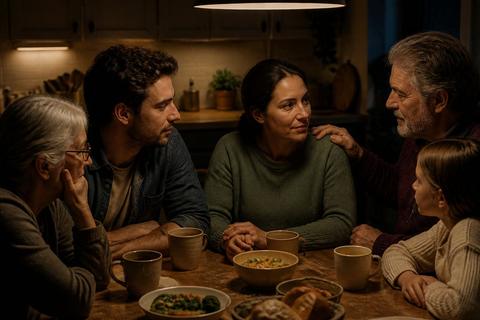
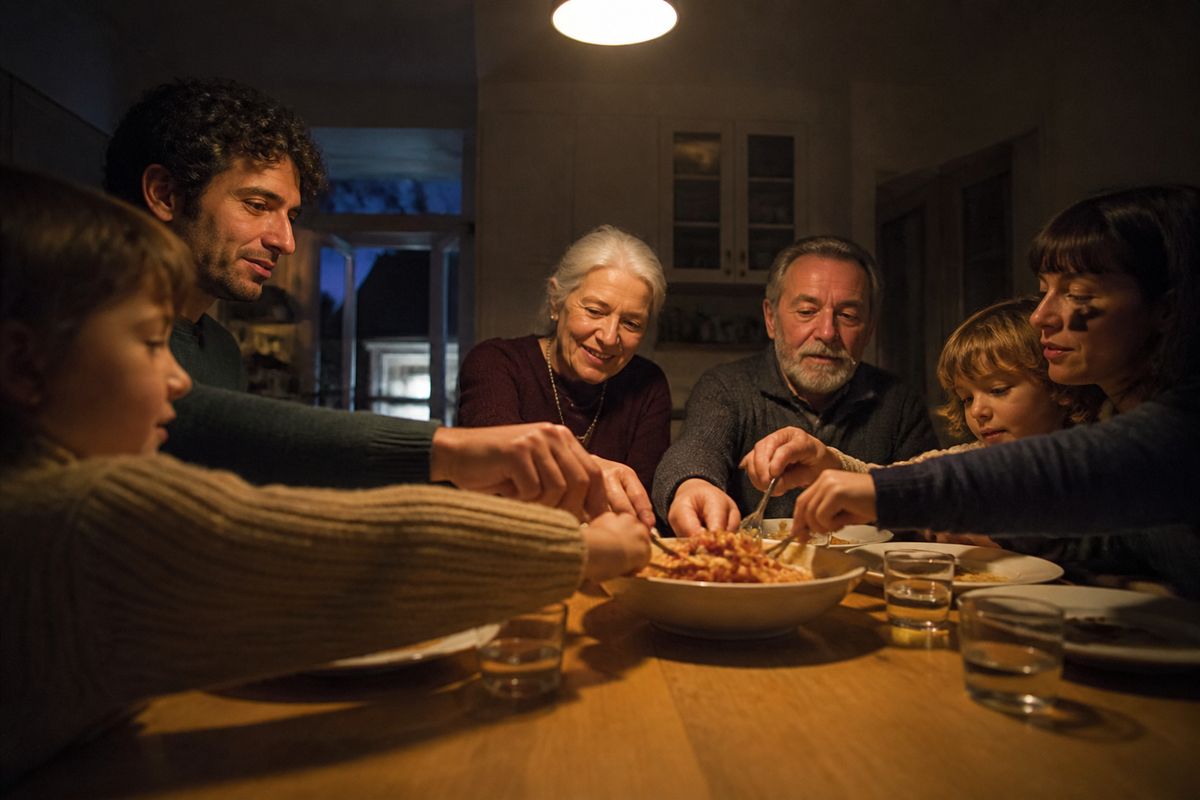
The biggest lever isn't finding the "perfect" activity, it's repetition. A large University of Minnesota study of 99,462 sixth- through twelfth-graders found that teens who ate dinner with their family more often scored consistently higher on developmental assets (things like feeling supported, having clear expectations at home) and consistently lower on risk behaviors, including substance use and depressive symptoms, compared to teens who rarely ate with family (Eisenberg et al., Journal of Adolescent Health). This is a correlational study, not proof that dinner itself causes better outcomes, but the pattern held even after controlling for other family factors. The practical takeaway: five family dinners a week beats one elaborate outing a month.
If your schedule can't support nightly dinner, aim for a fixed number you can actually hit, three set nights a week is a realistic starting target, then protect those nights the way you'd protect a work meeting.
Outdoor activities that build connection
Short, regular walks over big trips
A single annual vacation is memorable, but it isn't what builds a habit of connection. Research on families and shared outdoor time (Izenstark, San José State University) found that everyday outdoor experiences, not just major trips, help improve attention, regulate emotion, and support family cohesion. A 20-30 minute walk after dinner, three times a week, does more for a recurring bond than one trip you take once a year.
Hikes with a real turnaround point
Pick a distance your youngest or least fit member can finish without misery, roughly half of what an adult would choose. A 1.5-mile loop with a lookout point or creek to pause at gives kids a concrete goal and a reason to keep going, rather than an open-ended "let's just walk."
One car-camping trip a season
Car camping (not backcountry) removes enough logistics that even reluctant family members can pitch in: pitching a tent, gathering kindling, cooking over a fire. Assign one task per person by age rather than doing it all yourself, that division of labor is what creates the "we did this together" feeling, not the campsite itself.
Hands-on projects
Cooking one meal together per week
Pick a single recipe night, not "help me cook everything." Rotate who chooses the dish and who's responsible for one specific station (chopping, plating, cleanup). This keeps the task-sharing concrete instead of one parent supervising while everyone else watches.
A repair or build project with a visible end point
Building a shelf, repainting a room, or planting a small garden bed works because it has a defined finish line, unlike open-ended "quality time," which can feel vague to kids. Choose something that takes 2-4 sessions, long enough to require cooperation, short enough that nobody loses interest before it's done.
A shared scrapbook or photo project
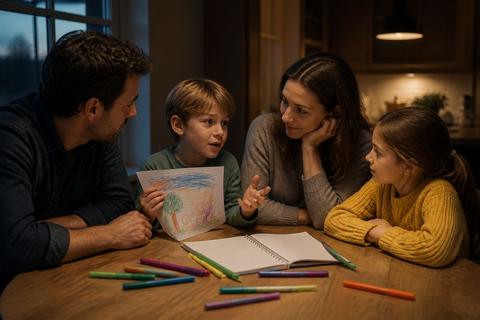
Set a recurring 20-minute slot, once a month is enough, to add photos and captions from the past few weeks. The value isn't the finished album; it's the conversation that happens while you're deciding what to include.
Game nights that actually work across ages
Board and card games matched to your youngest player
A game that bores the youngest kid or frustrates the oldest teenager will kill the habit fast. Keep two or three games in rotation that work across your specific age range, and let each person take a turn picking the game for the night.
Cooperative games over purely competitive ones
Games where players work toward one shared goal (rather than one winner and several losers) tend to produce more conversation and less friction, especially in families with a wide age gap. Save head-to-head competitive games for when everyone's actually in the mood for it.
Puzzles as a low-pressure backdrop
A jigsaw puzzle left out on a table lets people drop in and out without committing to a full "game night," which works well on weeknights when energy is low but you still want people in the same room talking.
Gratitude and reflection habits
A 2024 study out of the University of Illinois, based on daily reports from 593 parents, found that when parents felt genuinely appreciated by their children or partner, they reported less parenting stress and better family functioning (Barton et al., Journal of Positive Psychology). The effect showed up specifically around noticing and naming what other people did, not vague positivity.
A one-line gratitude round at dinner
Each person names one specific thing another family member did that week, not a general "I'm grateful for my family," but "I'm grateful you drove me to practice on Tuesday." Specificity is what makes it land; generic gratitude tends to get tuned out.
A weekly 10-minute check-in
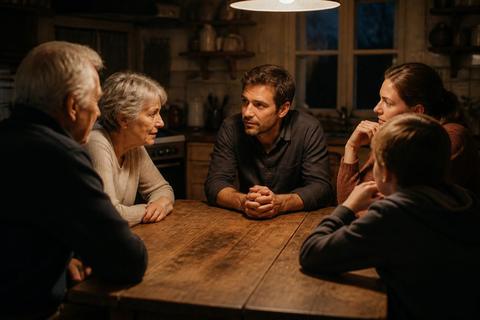
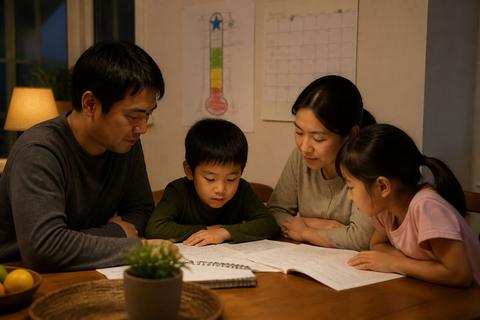
Pick one consistent time (Sunday evening works for a lot of families) to ask each person one question: what was hard this week, what are you looking forward to. Keep it under 10 minutes so it doesn't turn into a lecture.
Volunteering together
Community service gives families a shared task with a purpose outside the household, which can be a useful contrast to activities that are purely for entertainment. Local food banks, animal shelters, and park cleanups usually accept family groups with kids over a minimum age (commonly around 8-10, check the specific organization). Start with a single two-hour commitment before assuming everyone wants to make it a recurring thing.
What this can and can't do
These activities are tools for building routine connection, communication practice, and shared memory. They are not a guaranteed fix for a family in serious conflict, and none of the research cited here claims that any single activity will resolve deep relational rifts. If your family is dealing with ongoing conflict, estrangement, or a mental health crisis, these habits can support a relationship that's already improving, but they're not a substitute for family therapy with a licensed professional.
FAQ
How often should we do a bonding activity to see a difference?
Consistency matters more than intensity. The research on family dinners found effects at a "most days of the week" frequency, not occasional special events. Three to five short, regular touchpoints a week will do more than one elaborate outing a month.
What if my teenager doesn't want to participate?
Lower the ask. A 15-minute walk or a rotating dinner-pick privilege asks less of a reluctant teen than a full "family activity night." Letting them choose the activity some of the time also increases buy-in.
Do video games count as bonding time?
Cooperative multiplayer games can create the same back-and-forth conversation as a board game. The format matters less than whether everyone is actually engaging with each other, not just sitting in the same room on separate screens.
Sources
- Eisenberg et al., 'Family Dinner Meal Frequency and Adolescent Development,' Journal of Adolescent Health (University of Minnesota study, n=99,462), via PubMed
- Izenstark, 'Families in Nature: Understanding the Benefits of Shared Outdoor Time,' San Jose State University ScholarWorks
- Barton et al., University of Illinois study (n=593 parents), Journal of Positive Psychology, reported via ScienceDaily