The Importance of Family Traditions: Creating Lasting Memories
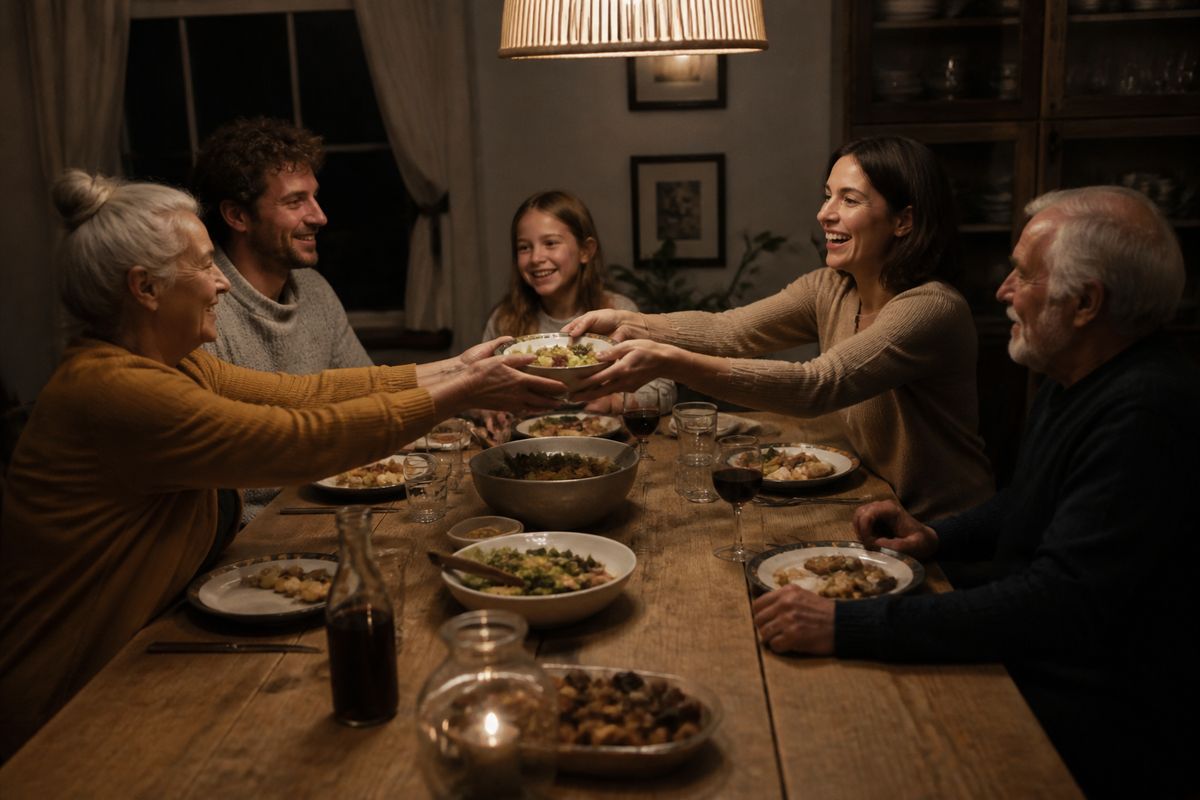
Family traditions matter less because of the activity itself and more because of what repetition does over years: the same Sunday dinner, the same birthday pancake, the same drive to see the same relatives, turns into a memory a person can return to decades later. That's the real value behind the importance of family traditions and creating lasting memories, it's not the tradition itself but the fact that it happened on schedule, again and again, until it became part of how the family sees itself.
What Counts as a Family Tradition
A tradition is any activity a family repeats deliberately, tied to a specific time, event, or occasion, that carries some shared meaning beyond just getting the task done. That's a wider net than most people assume. Thanksgiving dinner counts. So does a five-minute call to a grandparent every Sunday, or always getting the same diner booth after Little League games. Some traditions are inherited from a culture or religion; plenty of others get invented on the spot and only become a “tradition” in hindsight, once a family notices they've done it three years running.
Researchers who study family life usually split this into two categories: routines, which are the practical, low-emotion stuff like a consistent bedtime or morning drop-off, and rituals, which carry more symbolic weight, like how a birthday is celebrated or what happens on the anniversary of a loss. Both matter, but they do different jobs, and it's worth knowing which one you're actually building when you start a new tradition.
What the Research Actually Shows
Routines and Rituals Are Linked to Real Outcomes
This isn't just a feel-good claim. A review spanning 50 years of research on family routines and rituals, published in the Journal of Family Psychology, found they're associated with marital satisfaction, adolescents' sense of personal identity, children's health, academic achievement, and stronger family relationships, and that during infancy and preschool, children are healthier and better behaviorally regulated when family routines are predictable (American Psychological Association). That's a correlational finding, not proof that any single tradition causes any single outcome, but the pattern holds across a wide range of family structures and decades of data.
The Family Dinner Table Specifically
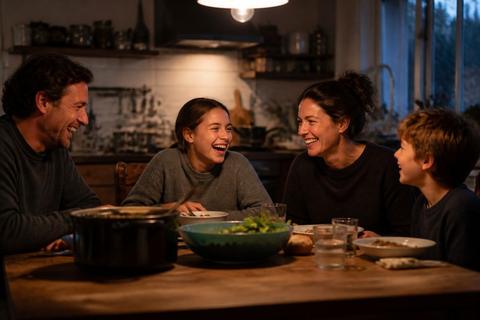
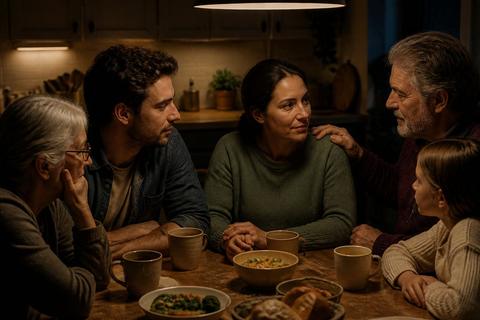
The most-studied single tradition is probably the shared family meal. A systematic review of 14 studies covering roughly 9 different samples (including one survey of nearly 100,000 middle and high schoolers) found that frequent family meals are inversely associated with disordered eating, substance use, violent behavior, and depression or suicidal ideation in adolescents, alongside a positive relationship with self-esteem and academic performance (systematic review, PMC). The protective effect was more consistent for girls than boys across most of the outcomes measured, which is a real caveat, not a reason to skip family meals for sons.
None of this means dinner is magic. It means a recurring, low-effort shared activity gives parents regular, low-pressure access to what's going on in a kid's life, which is a genuinely different mechanism than “eating together fixes problems.”
Why Repetition Does the Heavy Lifting
It Builds Identity, Not Just Memories
A one-time trip to Disneyland is a nice memory. A tradition of going every year the week after school lets out becomes something closer to an identity marker, something a family member will describe as “what we do” rather than “something we did once.” That distinction is what gives traditions staying power into adulthood, when the original activity itself might stop being practical.
It Gives Kids a Stable Reference Point
Kids don't need constant novelty to feel secure. A predictable structure, knowing Friday is pizza night or that the whole family bakes the same recipe every December, gives children something to count on when other parts of life (a move, a divorce, a new school) are in flux. The tradition itself doesn't have to be elaborate to do this job.
It's a Low-Friction Way to Pass Down Values
Traditions built around storytelling, service, or specific family history (retelling how grandparents met, volunteering together every Thanksgiving) teach values through repetition rather than lecture. Kids absorb “we help people” or “we don't forget where we came from” far more effectively from doing it every year than from being told it once.
Common Types of Family Traditions
Seasonal and Holiday Traditions
Thanksgiving, a specific Fourth of July cookout menu, decorating the same way every December, these anchor the calendar and are usually the easiest traditions to start because the occasion already exists; you're just deciding how your family marks it.
Milestone Traditions
Births, graduations, first days of school, and anniversaries are natural anchor points. A tradition doesn't need much invention here either, a specific photo taken every year in the same spot, a particular meal cooked for every birthday, works because the milestone already recurs on its own.
Weekly or Monthly Rituals
These are the highest-frequency, lowest-ceremony traditions: Sunday dinner, Friday movie night, a Saturday morning walk. Because they happen so often, they tend to do more of the day-to-day stability work than the once-a-year traditions, even though they're less photogenic.
Cultural and Heritage Traditions
Recipes, languages, holidays, and customs passed down from a specific culture or region connect a family to a broader history beyond the household itself. These often take the most deliberate effort to maintain, since they require someone to actively teach a recipe or a language rather than just showing up.
How to Actually Start One
Pick Something You'll Repeat, Not Something Impressive
The tradition that survives is rarely the elaborate one. A specific board game once a month, a particular breakfast every Saturday, or a five-minute phone call every Sunday will outlast an ambitious annual trip that's expensive or logistically hard to pull off two years in a row. Pick based on what your family can actually repeat 20 times, not what would make a good photo the first time.
Put It on a Fixed Schedule
“We should do this more often” doesn't survive a busy month. “Every second Saturday” does. Assign a specific day, time, or trigger event, so the tradition doesn't depend on someone remembering to suggest it.
Let Everyone Have a Vote
A tradition one parent invents and everyone else tolerates has a shelf life. Ask kids what they'd want to do regularly, even if the answer is something as simple as “watch a movie and eat popcorn on the floor.” Buy-in from the start makes a tradition more likely to survive the years when enthusiasm naturally dips.
Keep a Record
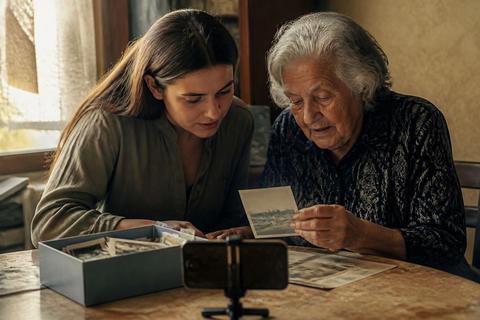
A shared photo album, a short journal entry after each occurrence, or even a running group chat thread turns a tradition into something the family can look back on later, and gives you material for the inevitable “remember when” conversations years down the line.
Expect to Revise It
A tradition built around a 5-year-old's attention span will need to change by the time that kid is 15. Traditions that survive across decades usually aren't the ones held rigidly, they're the ones that get quietly adjusted (shorter, later, different activity, same underlying occasion) as the family changes.
What Traditions Won't Do
Traditions aren't a fix for a family that's actively struggling with serious conflict, and a strained relationship won't be repaired just by forcing a weekly dinner. The research above is about association, not a guarantee, families with strong traditions tend to also have other things going for them (more stable routines generally, more time together, more communication), and it's the combination that shows up in outcomes, not any single ritual in isolation. If a family is dealing with ongoing conflict or estrangement, that's a case for direct communication or professional support, not a new Friday night ritual.
FAQ
How long does it take for something to become a real tradition?
There's no fixed number, but most families start calling something “a tradition” once it's happened three or four times without anyone having to push for it. The test isn't a calendar date, it's whether someone in the family would notice and be disappointed if it were skipped.
What if a family tradition stops working for everyone?
Change it rather than force it. A tradition that's become a source of dread (an overly long holiday gathering, a trip nobody enjoys anymore) has stopped doing its job. Keep the underlying occasion and swap the activity.
Can you start a tradition with older kids or teenagers?
Yes, though it usually needs to be shorter and less structured than something aimed at younger children. Teenagers are more likely to stick with a low-commitment tradition (a specific takeout order every Friday, a 10-minute check-in before bed) than an elaborate one that feels like a scheduled obligation.
Do traditions have to involve the whole family every time?
No. Traditions between one parent and one child, or between siblings, count just as much and often carry more individual meaning than a whole-family event, since they don't have to accommodate everyone's schedule or preferences at once.